Laser Cleaning for Building & Stone Restoration
Clean a century of grime, black crust and biological growth from stone without abrasives, chemicals or pressure that harms the surface. A controlled, non-contact laser process suited to heritage-grade work — always tested on a sample before any visible facade.
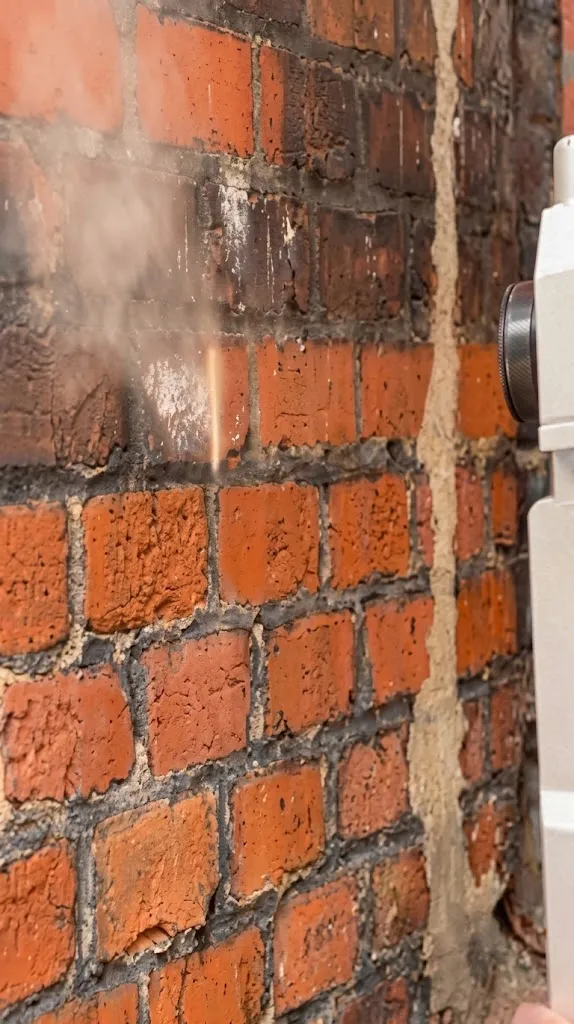
The usual methods clean the stone by wearing it away
On a historic facade, the surface itself is the asset. Most fast cleaning methods remove the dirt and a little of the irreplaceable stone with it.
Chemical cleaning
Acids and solvents can stain, etch and weather stone, and leave residues and runoff that affect the surface over time.
High-pressure water
Pressure drives water into porous stone and can wash away soft detail and original tooling marks.
Abrasive blasting
Grit erodes the surface and rounds carved detail — an irreversible loss on heritage stonework.
What matters when the surface is irreplaceable
The questions a restoration or conservation team weighs — answered straight.
Substrate protection
A controlled, conservation-grade, non-abrasive process. Energy is tuned to the soiling layer rather than the stone — though every surface differs, so we always test before visible work and confirm against your conservation standard.
Precision & energy control
Spot shape, scan width and energy distribution are adjustable, so an operator can work to soft detail, carved features and fragile areas with fine, repeatable control.
Heritage-grade suitability
The process is well suited to heritage and conservation work where non-contact, low-risk cleaning matters. We work to your specification and prove the result on a representative test area first.
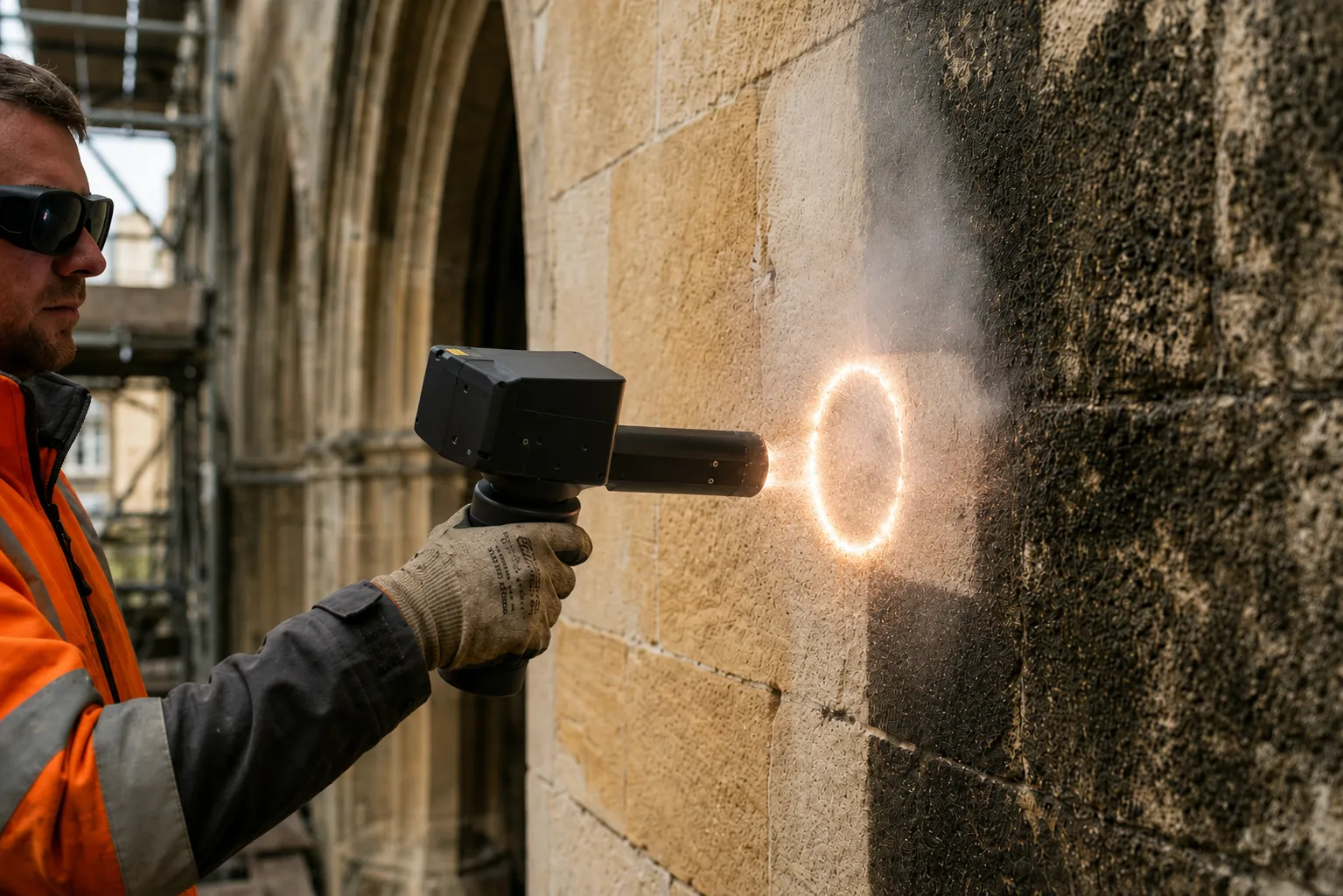
Lift the soiling, leave the surface
The laser is absorbed by the dark soiling — grime, black crust and biological growth — which lifts away, while the lighter stone beneath reflects more of the energy. There is no contact, no grit and no chemical, so the cleaning stays controlled and the original surface is preserved.
- Non-contact — nothing abrades the stone
- Layer-by-layer, low-risk control
- Preserves original surface, detail & patina where wanted
The result depends on the stone, the soiling type and the energy settings, so a conservation test area is always cleaned and reviewed first.
Stone types & the soiling it removes
Across masonry and architectural stone. Actual result depends on the substrate, soiling and energy — confirmed on a sample.
Grime & soot
Decades of atmospheric grime and carbon soiling.
Black crust
Gypsum black crust on weathered stonework.
Biological growth
Algae, lichen and moss on damp surfaces.
Old paint & limewash
Historic paint and coating layers, selectively.
Suitable substrates:
Cleaning that respects the conservation brief
On protected and historic fabric, how you clean is as important as how clean it gets. A non-contact, controllable process supports a careful, conservation-led approach.
Low-risk, non-contact
No abrasive, no pressure, no chemical loading on the fabric.
Gradual & controllable
Work up gradually and stop at the level the brief calls for.
Preserves original surface
Keep tooling marks, detail and patina where they should stay.
Tested & documented
Prove the result on a test area against your specification.
Pulsed precision, portable for site
Heritage stone is precision, surface-sensitive work — pulsed control, in a portable form for scaffolds and facades.
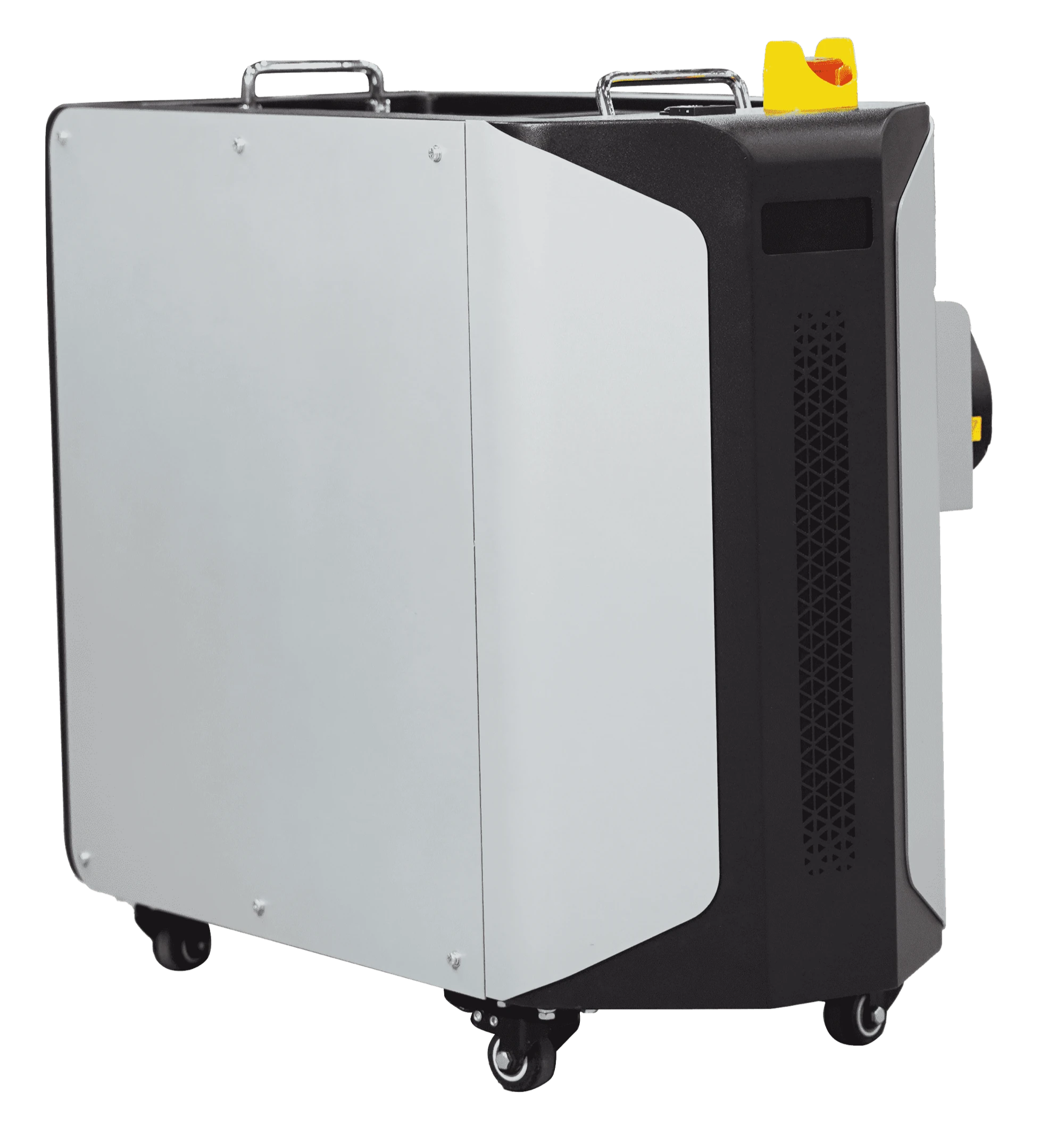
Pulsed — LY100-500W
An air-cooled pulsed platform with a handheld head and adjustable pulse, frequency and scan width — the fine, repeatable control heritage stone needs. Portable backpack and handheld units suit scaffold and facade work on site.
- 100–500W pulsed, finely adjustable
- Spot shape & scan width set to the detail
- Portable options for scaffold & facade access
How laser compares for stone restoration
Structural differences that matter most on heritage and architectural stone.
| Factor | Laser | Chemical | High-pressure water | Sandblasting |
|---|---|---|---|---|
| Contact with surface | Non-contact | Chemical loading | Pressure & water | Abrasive impact |
| Substrate impact | Low, energy-controlled | Can etch / stain | Drives in water | Erodes detail |
| Precision | High, layer control | Hard to localise | Broad | Broad, abrasive |
| Waste & residue | Minimal, dry extraction | Chemical runoff | Wet slurry | Spent grit |
Outcome depends on the stone, soiling and energy settings — we test a conservation sample area before any visible facade work.
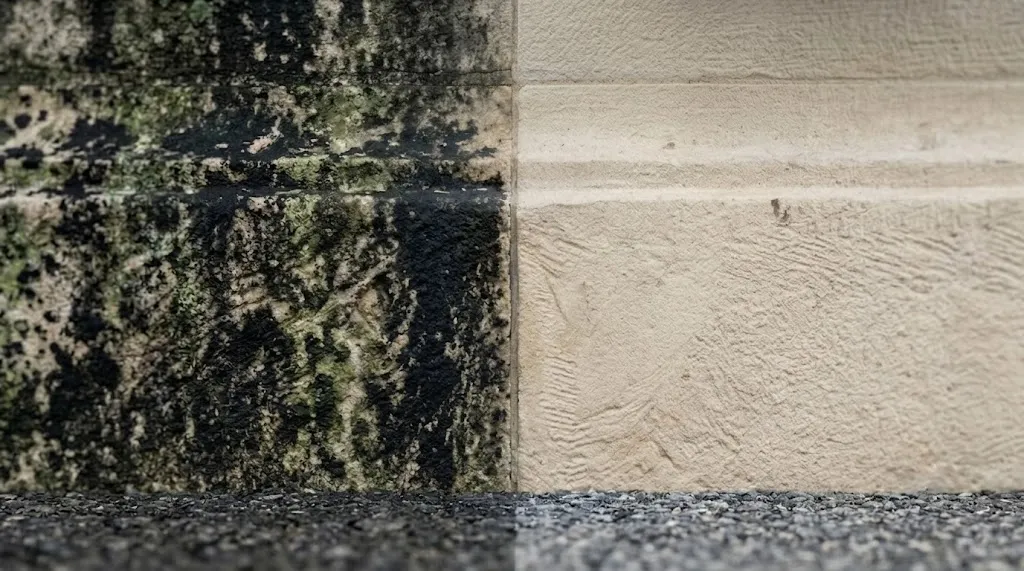
Stone-restoration results
Representative before/after results on heritage stone and masonry.
Materials & conditions matrix
Stone types and the soiling the controlled, non-contact process removes — tested before any visible facade.
| Stone | Soiling | Notes |
|---|---|---|
| Sandstone & limestone | Grime & black crust | Conservation-grade, tested |
| Marble | Atmospheric soiling | Non-contact, gradual |
| Granite | Biological growth | Tested sample-first |
| Brick & plaster | Paint & limewash | Selective |
The result on any combination depends on the material, contaminant, laser power and scanning setup — confirmed on a representative sample.
The workflow, step by step
Conservation-led cleaning that respects the fabric — the heritage workflow.
Assess substrate & brief
Identify the stone, the soiling and the conservation specification.
Clean a documented test area
Prove the result on a discreet area and record the settings.
Set conservation parameters
Controlled, non-contact energy tuned to the soiling, not the stone.
Work the facade gradually
Build up gradually and stop at the level the brief calls for.
Review against the spec
Confirm the result meets the conservation standard.
Related machines & solutions
Stone-restoration laser cleaning questions, answered straight
Discuss your restoration project and get a factory-direct quote
Tell us the stone, the soiling and the project. We will recommend a pulsed configuration, offer a sample test, and send pricing — usually within one business day.
- sales@lasercleanerpro.com
- +86 153 2715 5363
- Mon–Sat 9:00–18:00 (GMT+8)