Laser Cleaning for Ship & Marine Maintenance
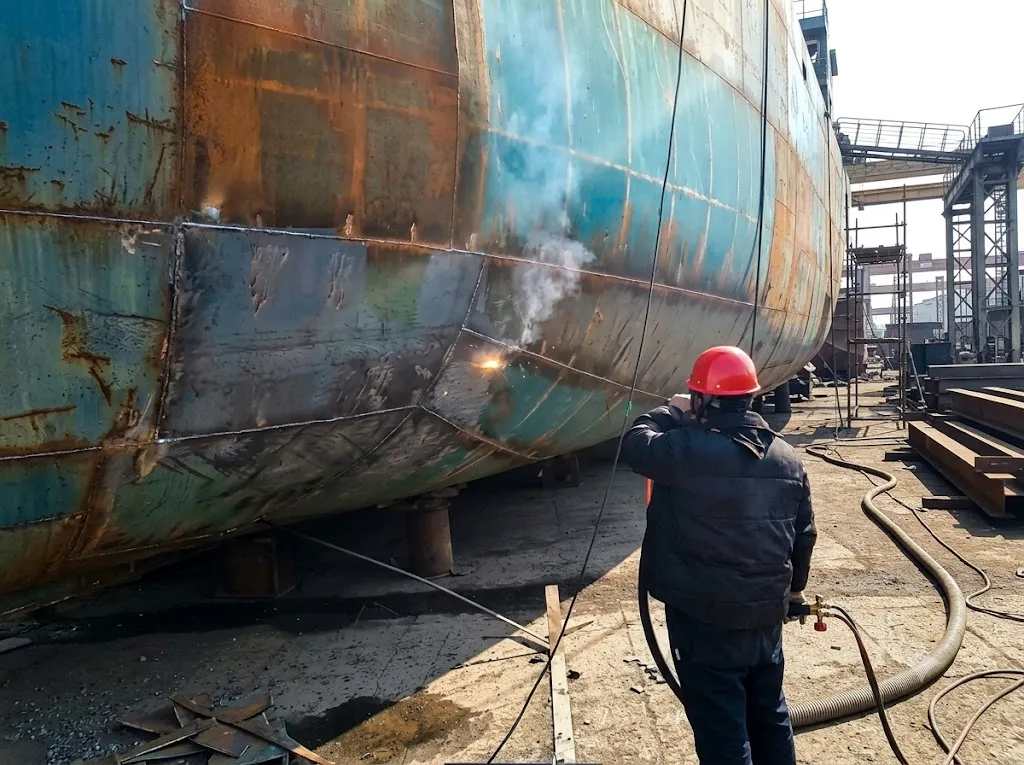
Salt water never stops, so corrosion is relentless and the rust workload is heavy. High-power laser cleaning strips hull rust, marine corrosion and old anti-corrosion coatings without sandblasting dust — leaving a sound, recoat-ready surface on decks, propellers, anchor chains and ballast tanks.
Heavy rust, big surfaces, rising maintenance cost
For yards and marine maintenance crews, the enemy is constant — and the traditional ways of fighting it are slow, dusty and expensive.
Relentless salt corrosion
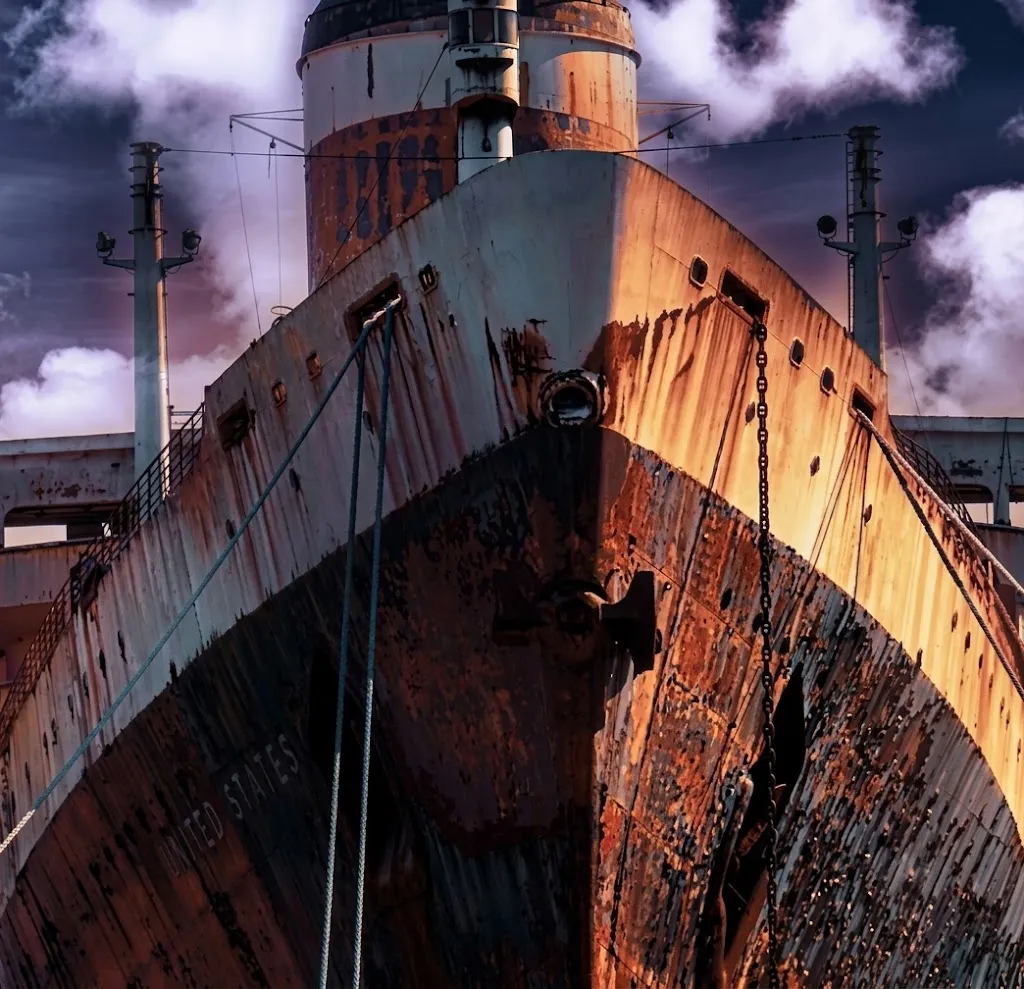
Seawater and salt air drive heavy, recurring corrosion across hulls, decks and deck hardware.
Huge rust workload
Large surface areas mean blasting or hand tools tie up crews for days and stall the dock schedule.
High maintenance cost
Abrasive media, containment, cleanup and disposal stack cost onto every maintenance cycle.
What matters when corrosion is the job
The questions a yard or marine maintenance buyer weighs — and how high-power laser cleaning answers them.
Heavy rust capacity
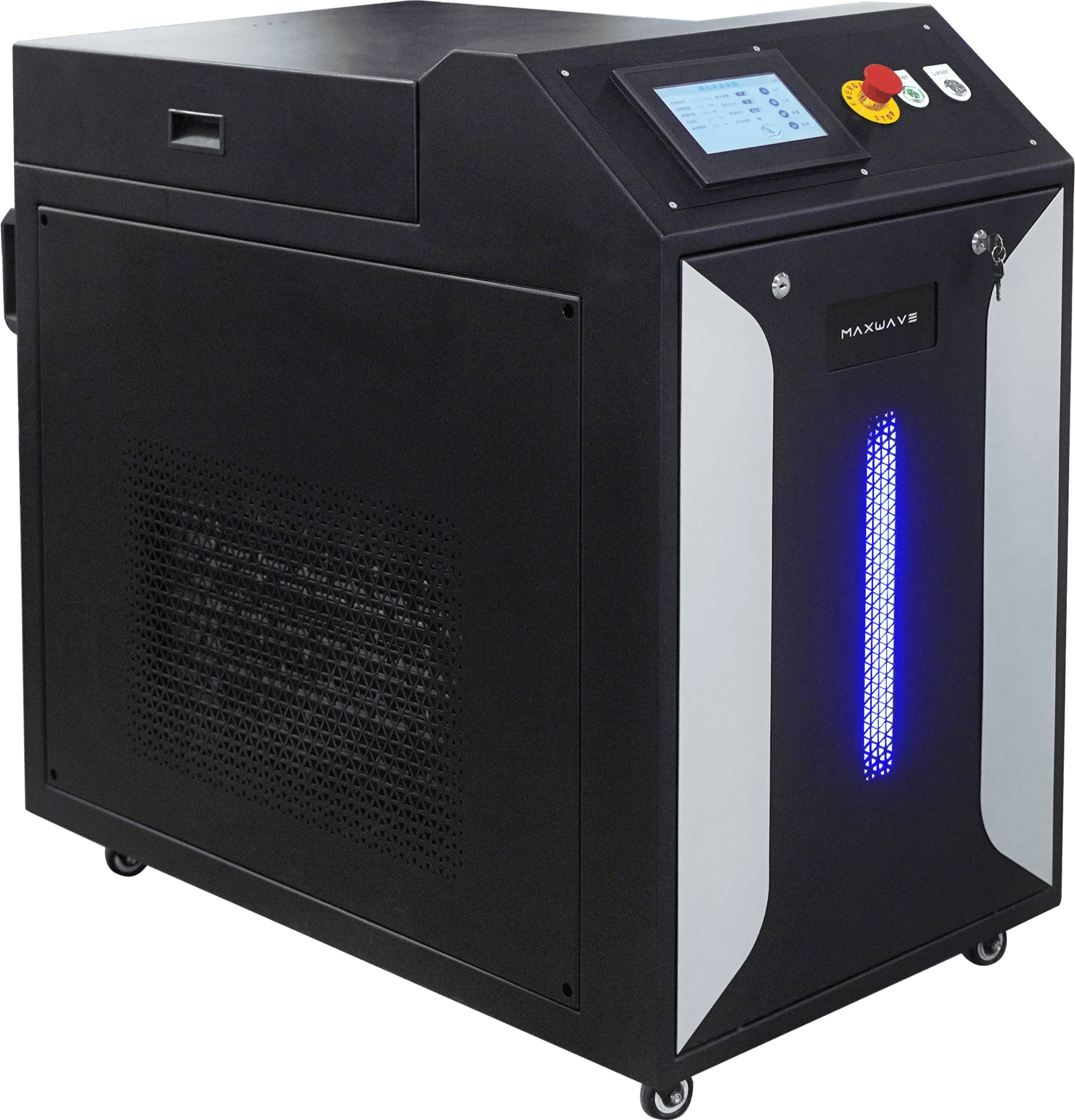
High-power CW (1000–3000W), with pulsed available for detail, delivers the sustained energy heavy marine rust and thick coatings demand.
Built for harsh conditions
Engineered for demanding dockyard and outdoor environments. We share the environmental spec and confirm the rating for your salt-air, humid conditions.
Work efficiency
Continuous-duty cleaning with minimal masking and cleanup keeps crews moving across large surfaces instead of managing media.
Total value & upkeep
No recurring grit or chemical spend and a low-consumable design lower the running cost — we model the total value with you.
From hull plate to anchor chain
Heavy marine rust and coating removal across the structures that take the worst of the salt.
Hull & deck
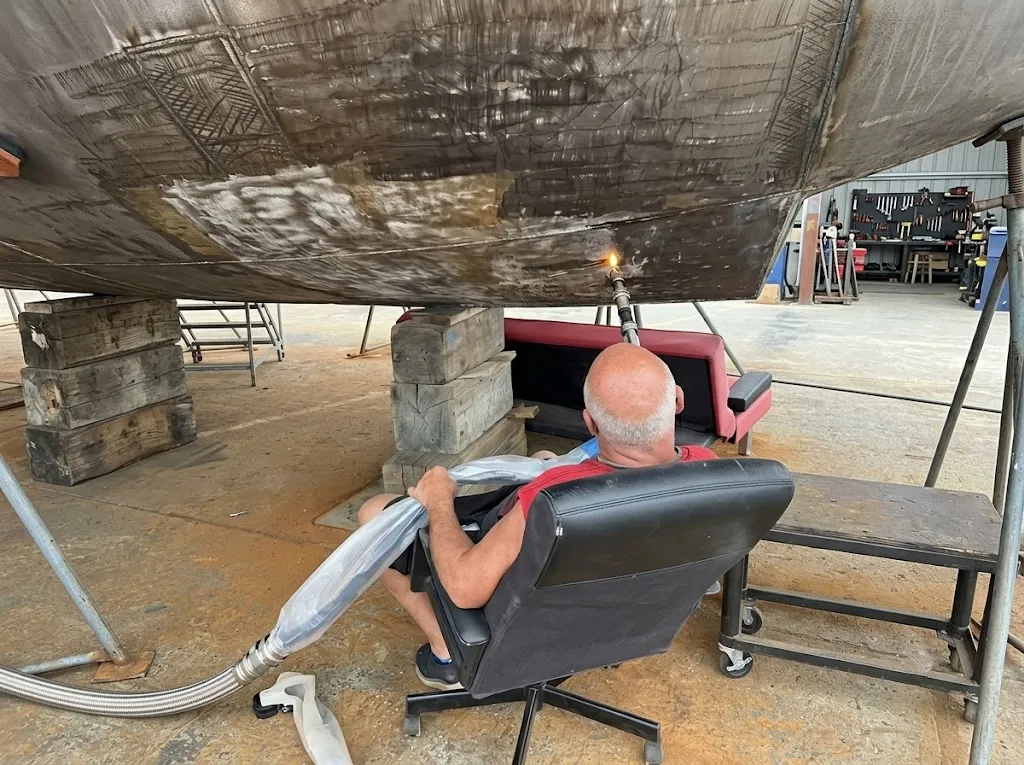
Strip rust and old coatings from large hull and deck surfaces.
Propellers
Clean corrosion and fouling from propeller surfaces.
Anchor chains
Remove heavy rust and scale from chains and fittings.
Ballast tanks
De-rust confined tank interiors ahead of recoating.
Removal rate and finish depend on rust thickness, coating type, laser power and scanning width — confirmed on a representative sample before the job.
.jpg)
.jpg)
A sound base for the next coating
Anti-corrosion protection is only as good as the surface under it. Laser cleaning removes old coatings and rust without grinding the steel away or driving grit into it, leaving a clean, sound base for the new anti-corrosion coating to bond to.
- Dust-free vs sandblasting — less containment on board
- Cleans without eroding the hull plate
- Recoat-ready surface for better coating adhesion
- Works outdoors and in the dock, not just a booth
Marine cleaning across the maintenance cycle
High-power CW for marine rust
Heavy marine corrosion is continuous-wave territory — sustained power for big surfaces and thick rust.
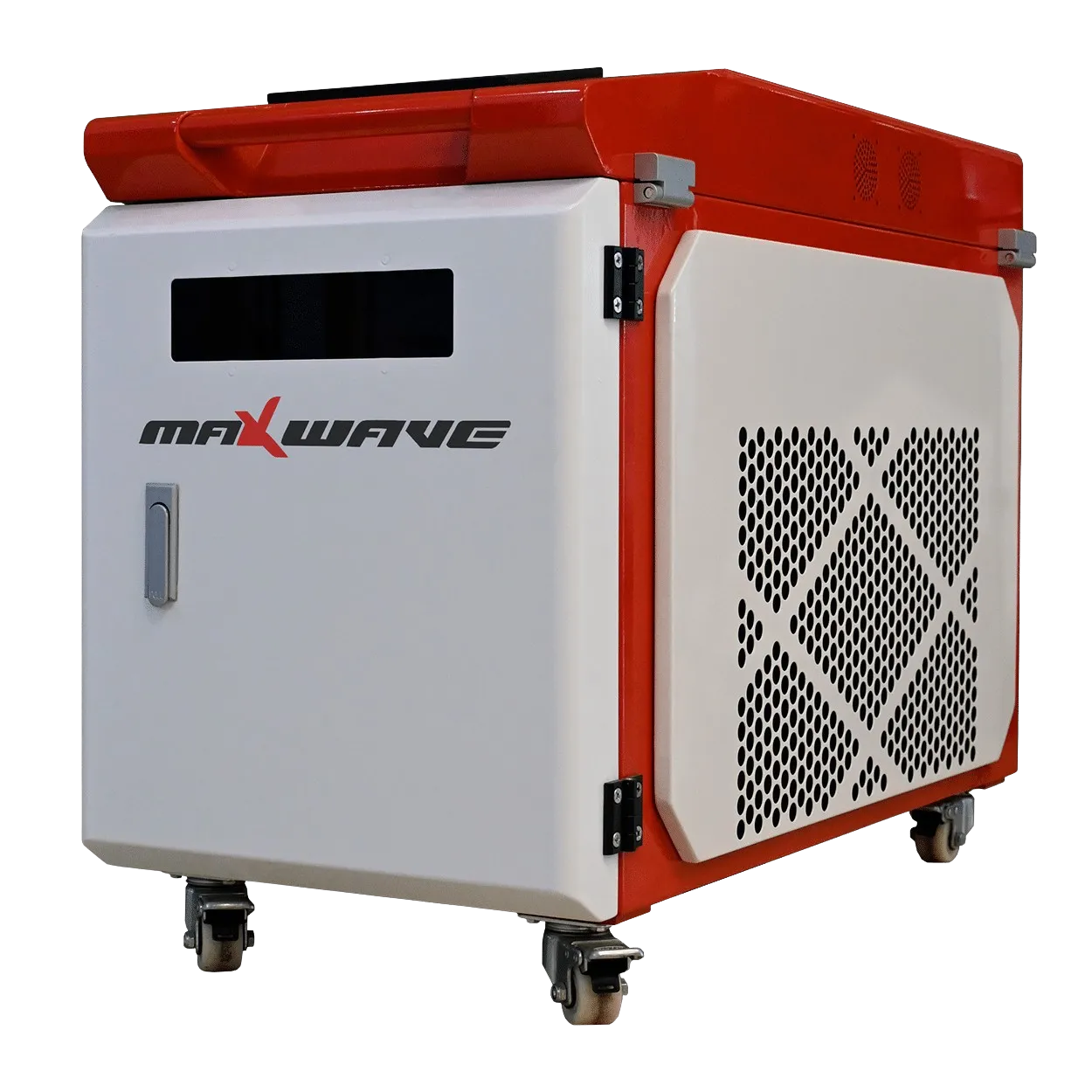
High-power CW — HW / LCW
1000–3000W water-cooled systems for hulls, decks and large marine steel at continuous duty.
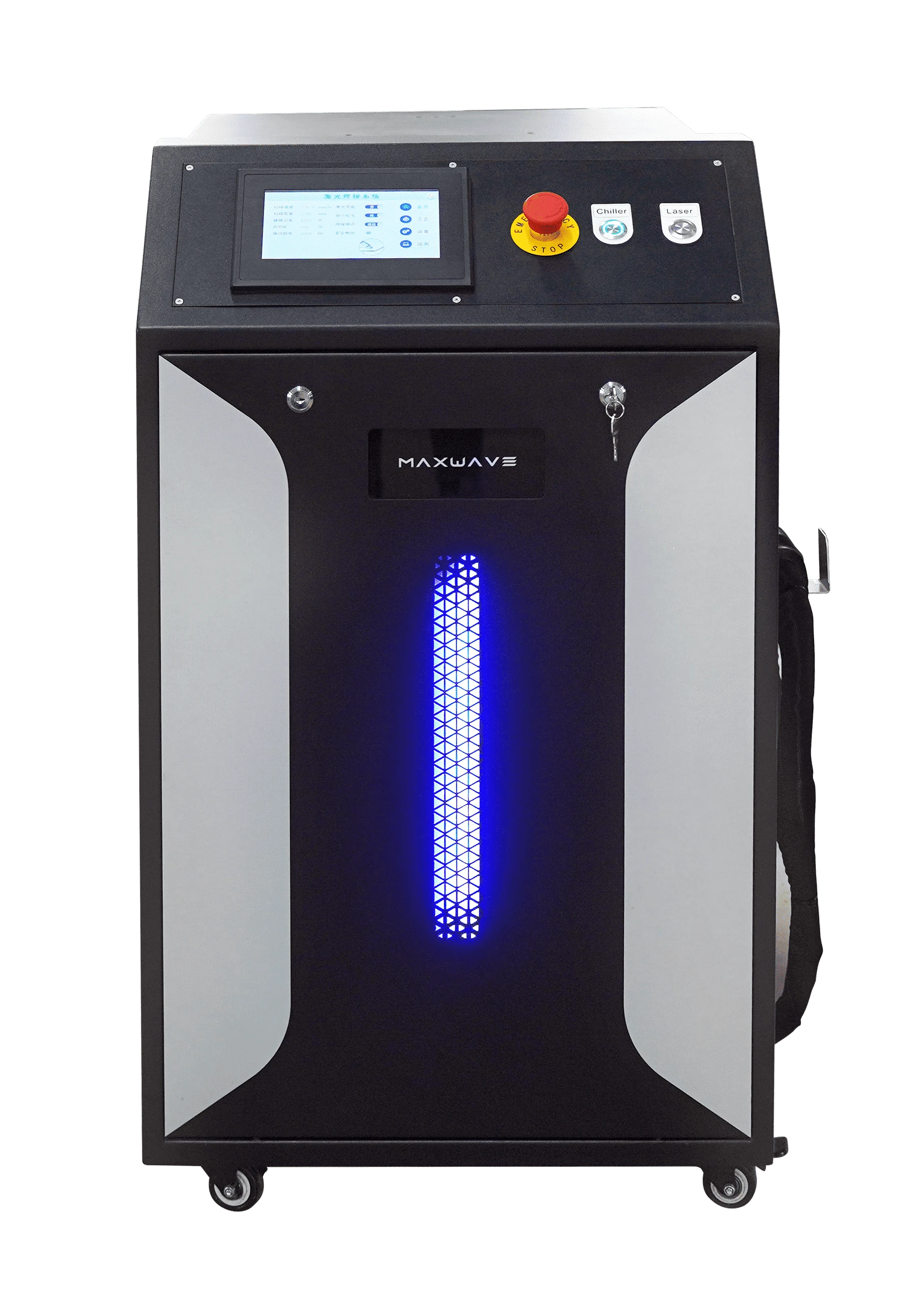
LCW1500-3000W
1500–3000W for sustained heavy rust removal across large marine surfaces.
How laser cleaning compares for marine work
Structural differences that hold across most hull, deck and marine steel cleaning.
| Factor | Laser cleaning | Sandblasting | Hand tools / grinding |
|---|---|---|---|
| Dust & containment | Dust-free, minimal containment | Heavy grit dust + booth | Dust + slow coverage |
| Hull plate impact | Low, energy-controlled | Can erode & profile-blast | Uneven, can gouge |
| Consumables | None — no media | Abrasive media per job | Discs & abrasives |
| Recoat readiness | Clean, sound base | Profiled but gritty | Inconsistent |
| Waste & disposal | Minimal, easy extraction | Spent grit disposal | Dust + debris |
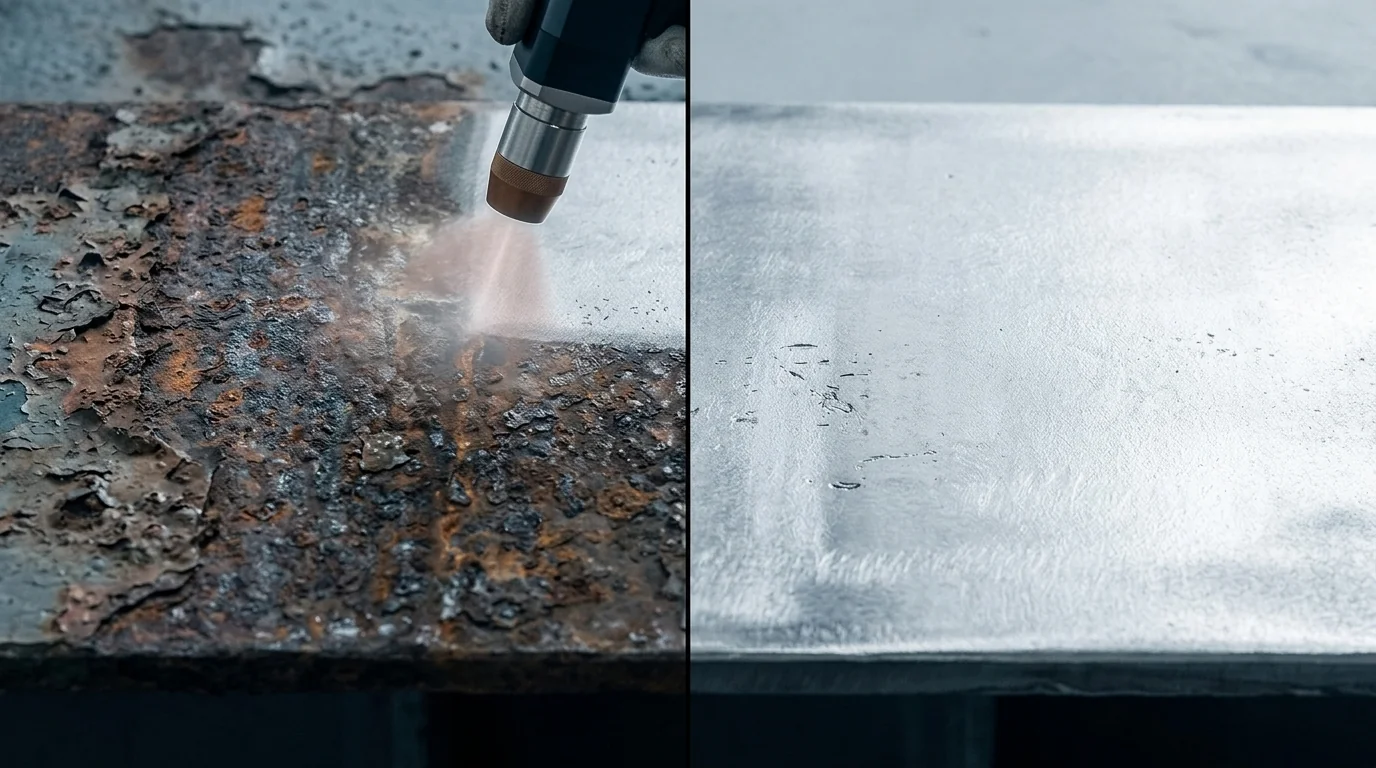
Marine cleaning results
Representative before/after results on hull and marine steel.
Materials & conditions matrix
Marine structures and the corrosion or coatings high-power CW handles, dust-free.
| Structure | Contamination | Suggested series |
|---|---|---|
| Hull & deck | Rust & old coating | High-power CW (LCW / HW) |
| Propellers | Corrosion & fouling | High-power CW |
| Anchor chain & fittings | Heavy rust | High-power CW |
| Ballast tank | Rust (confined) | High-power CW |
The result on any combination depends on the material, contaminant, laser power and scanning setup — confirmed on a representative sample.
The workflow, step by step
Heavy marine de-rusting to a recoat-ready surface — the dockyard workflow.
Assess structure & access
Identify the steel, the corrosion and the access, including confined or elevated areas.
Sample test
We clean a representative rusted or coated sample and report the result.
Configure power & reach
High-power CW with fiber cable length set for the structure.
Operate dockside or outdoors
Dust-free cleaning without blasting booths or grit clouds.
Inspect for recoating
Confirm a sound, recoat-ready surface against the coating standard.
Related machines & solutions
The dock-schedule & cost view
For marine maintenance the cost is rarely just the cleaning — it is the containment and the time in dock. Laser shifts where the cost sits.
Less containment
Dust-free cleaning cuts the booth and grit-containment overhead on board.
Faster turnaround
Continuous-duty work and minimal masking can shorten time in dock.
No media supply chain
No grit to buy, store, move or dispose of each maintenance cycle.
Model the total
Weigh capital against recurring media and labour with the ROI calculator.
Marine laser cleaning questions, answered straight
Send your marine cleaning requirement and get a factory-direct quote
Tell us the structure, the corrosion or coating, and the surface area. We will recommend a high-power system, offer sample testing, and send pricing — usually within one business day.
- sales@lasercleanerpro.com
- +86 153 2715 5363
- Mon–Sat 9:00–18:00 (GMT+8)